Budget Kitchen

modern kitchen
Budget Kitchen, Kitchen build

Upgrade Your Kitchen Cupboards for a Stylish, Functional Space

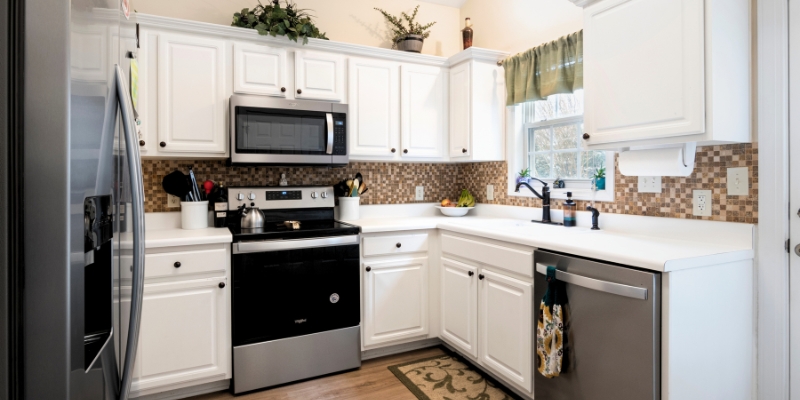
Your kitchen is more than just a place to cook—it’s where life happens. If your cupboards are outdated, inefficient, or simply don’t fit your needs, an upgrade can completely transform the space. Here’s why investing in new kitchen cupboards is a decision you won’t regret. 1. Maximize Storage & Organization Old cupboards often waste valuable space. Modern cupboard designs include smart storage solutions like pull-out shelves, deep drawers, and custom organizers to keep everything in place. No more digging for pots and pans—just a clutter-free, functional kitchen. 2. Enhance Your Kitchen’s Style Worn-out cupboards can make your entire kitchen feel outdated. Whether you prefer a sleek, modern look or a warm, classic design, new cupboards instantly refresh your space. Choose from high-quality finishes, colors, and styles to match your vision. 3. Increase Your Home’s Value Planning to sell in the future? A kitchen upgrade is one of the best ways to boost your home’s market appeal. Potential buyers love a well-designed, modern kitchen with quality cupboards—it’s a smart investment that pays off. 4. Durability That Saves You Money Older cupboards often suffer from peeling finishes, broken hinges, and outdated materials. New cupboards, built with durable, high-quality materials, require less maintenance and last for years, saving you money on repairs. 5. Customization for Your Lifestyle Every home is different, and so are your needs. Custom kitchen cupboards allow you to design storage solutions that fit your daily routine. Whether you need extra space for appliances, a built-in pantry, or hidden compartments, we create a kitchen that works for you. Ready to Upgrade? Let’s Get Started! At Homestead Kitchens, we specialize in designing and installing top-quality kitchen cupboards tailored to your style and budget. Whether you’re planning a full renovation or a simple cupboard refresh, our team is here to help.

Kitchen Renovation
Budget Kitchen, kitchen makeover, kitchen renovation

Expert Tips on Your Next Kitchen Renovation

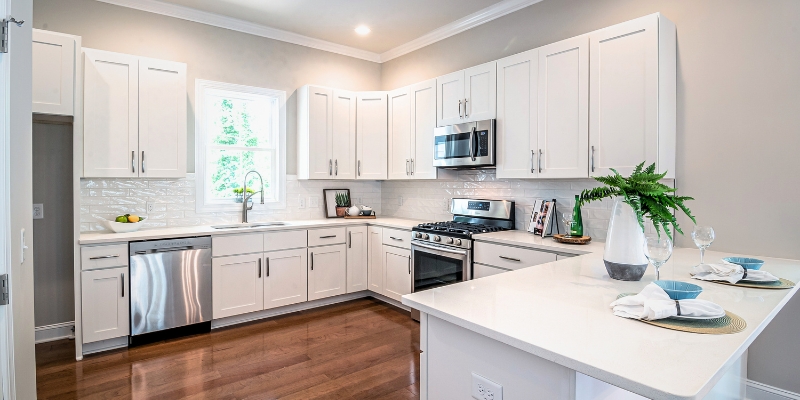
Every great meal begins in the kitchen, but a worn-out, outdated space can take the joy out of cooking and gathering with loved ones. Research shows that a modern, functional kitchen can increase a home’s value by up to 20%—yes, you read that right! Imagine walking into a sleek, custom-designed kitchen with every detail tailored to your taste and needs. A dream kitchen isn’t just about looks; it’s about lifestyle, comfort, and even a boost in home value. At Homestead Kitchens, we believe that a well-planned kitchen renovation should be about more than just updating countertops or adding new appliances. It’s an investment in your home and quality of life, balancing style and practicality. So, how do you ensure your kitchen renovation delivers on both design and function? In this guide, we’ll break down the essentials—from budgeting to choosing the right materials—to help you create a space that’s both beautiful and built to last. Why Renovate Your Kitchen? If you’re considering a kitchen renovation, you’re not alone. Homeowners increasingly see kitchens as the heart of the home—a place for more than just cooking. Whether it’s for hosting, working, or simply enjoying a cup of coffee, a thoughtfully renovated kitchen can transform your entire home environment. Not only can a kitchen remodel add resale value, but it also significantly enhances your day-to-day life. Key Steps to a Successful Kitchen Renovation 1. Establish a Realistic Budget The first rule of any renovation? Budgeting. According to industry experts, homeowners should spend between 5-15% of their home’s total value on a kitchen renovation. This ensures a good return on investment, whether you plan to sell or stay. Set a clear budget and allocate funds for essentials like cabinetry, appliances, flooring, and finishes. Factor in a buffer for unexpected costs that tend to pop up during renovations. Quick Tip: Avoid cutting costs on structural elements, but be strategic with materials and finishes. Opt for durable and stylish alternatives that offer the best of both worlds. 2. Plan for Functionality First When designing a kitchen, style matters, but functionality comes first. Think about your cooking habits and lifestyle. Do you prefer open shelving for easy access or closed cabinets to hide clutter? Do you need extra counter space for cooking or an island for entertaining? These are the kinds of questions you’ll need to answer as you plan the layout. The “work triangle” concept—placing the sink, stove, and fridge within close reach—remains a timeless layout rule for efficiency. At Homestead Kitchens, we focus on tailoring layouts that fit your specific needs, whether you’re an aspiring chef or a busy parent. 3. Choose Quality Materials Kitchen materials should be both durable and visually appealing. Invest in high-quality cabinets, countertops, and flooring that will stand up to the demands of daily use. Quartz countertops, for instance, offer an elegant look and are scratch-resistant and low-maintenance. Meanwhile, engineered wood flooring provides a warm, natural feel while being durable and easy to clean. Insider Tip: When choosing cabinetry, go for solid wood or wood veneer. It’s a worthwhile investment that adds an upscale look and durability to your kitchen. 4. Add Smart Storage Solutions Clutter-free countertops are a hallmark of modern kitchens. Integrate smart storage solutions to keep everything organized. Pull-out pantries, deep drawers for pots, lazy Susans in corner cabinets, and dedicated compartments for small appliances can make a world of difference. These solutions are more than just convenient—they help you keep a clean, spacious, and functional kitchen. 5. Consider Energy-Efficient Appliances Modern kitchen renovations are incomplete without energy-efficient appliances. Not only do they reduce your carbon footprint, but they also save money on utility bills. Look for ENERGY STAR-rated refrigerators, dishwashers, and ovens. These appliances consume less water and energy, making them a smart choice for eco-conscious homeowners. 6. Add the Right Lighting A well-lit kitchen isn’t just practical; it also adds to the room’s ambiance and functionality. Incorporate layered lighting: ambient lighting for general illumination, task lighting for areas like the countertops and stove, and accent lighting to showcase unique features or design elements. Under-cabinet lights can also provide subtle illumination, giving your kitchen a cozy, welcoming vibe. Quick Tip: Consider installing dimmer switches so you can control the brightness depending on the time of day or activity. 7. Don’t Forget the Finishing Touches Details matter. From faucets to drawer pulls, the finishing touches in your kitchen can make or break the aesthetic. Opt for hardware that complements your overall design, whether it’s sleek stainless steel for a modern kitchen or warm brass for a rustic vibe. Add a touch of personal style with statement pieces like a unique backsplash or a bold paint color to make your kitchen uniquely yours. Final Thoughts Kitchen renovation isn’t just about making a beautiful space—it’s about creating a room that fits your lifestyle and enhances your home’s functionality. By carefully planning your budget, choosing the right materials, and focusing on functional design, you can create a kitchen that’s not only stylish but also built to last. At Homestead Kitchens, we bring expertise and passion to every project, transforming your vision into reality. So, if you’re ready to upgrade your kitchen, give us a call. Whether you’re dreaming of a cozy farmhouse kitchen or a sleek, modern space, our team is here to make your renovation journey smooth, rewarding, and exciting.

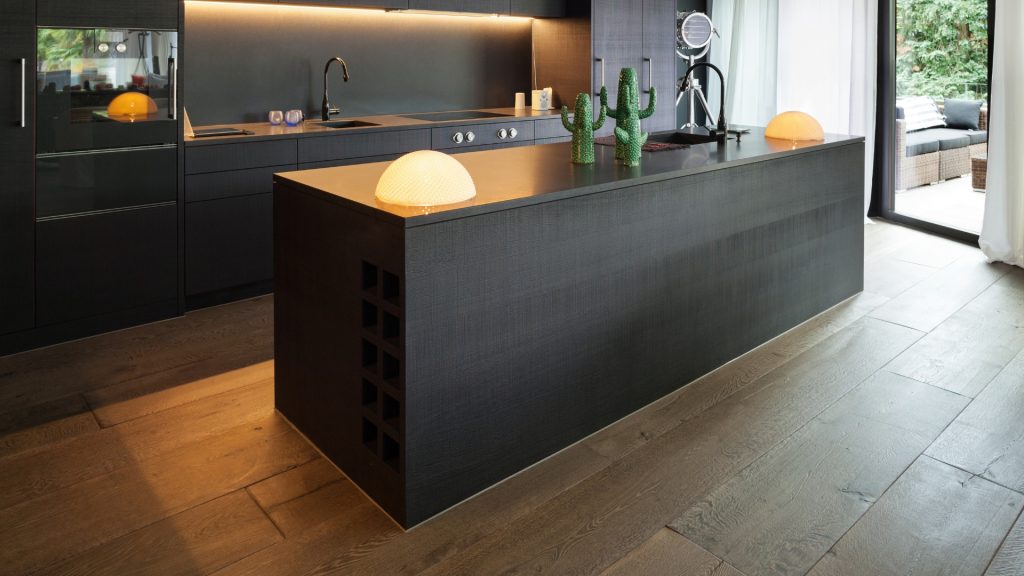
Budget Kitchen, Kitchen Budget, kitchen units

Kitchen Units for Sale: Transform Your Space

Are you looking to revamp your kitchen but unsure where to start? Kitchen units are the backbone of any kitchen, providing storage and functionality. Whether you’re embarking on a complete kitchen remodel or simply want to refresh your existing space, the right kitchen units can make a world of difference. Understanding Kitchen Units Kitchen units come in various styles, materials, and configurations to suit different tastes and budgets. Here are some key factors to consider when choosing kitchen units: Benefits of Investing in New Kitchen Units Finding the Right Kitchen Units for Your Home When shopping for kitchen units, consider the following tips: Popular Kitchen Unit Trends Investing in new kitchen units is a worthwhile investment that can transform your home. By carefully considering your needs, style, and budget, you can find the perfect units to create a functional, beautiful, and enjoyable kitchen space.

Budget Kitchen, Kitchen Budget, Kitchen build, kitchen installation, small kitchen

Maximizing Space in Small Kitchens: Tips and Tricks

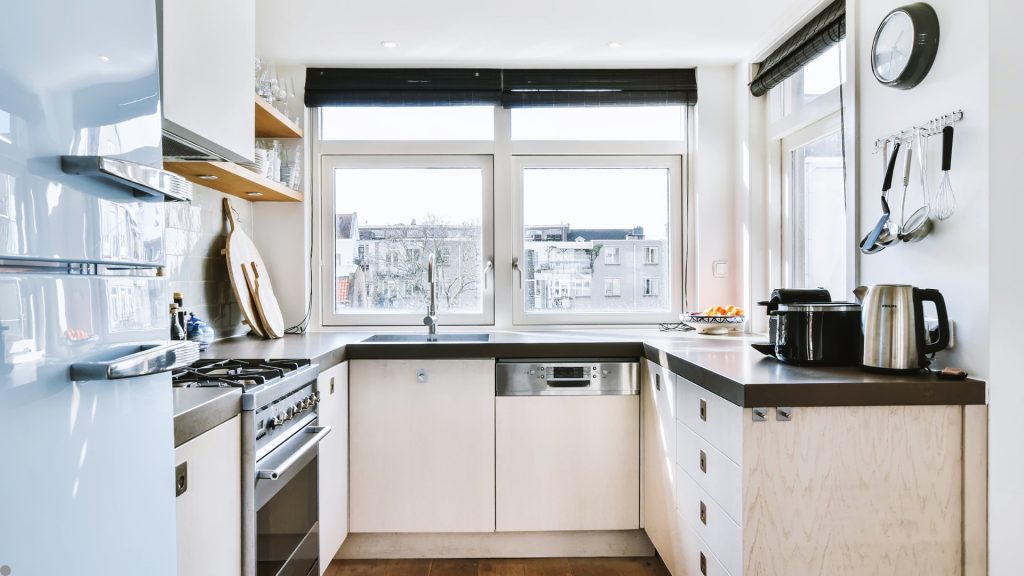
In the heart of every home lies the kitchen—a space where culinary creativity comes alive and memories are made. However, if your kitchen is on the smaller side, it can be challenging to balance functionality and aesthetics. Fear not! With some clever design strategies and practical tips, you can transform your compact kitchen into a stylish and efficient space. Here are some expert tips and tricks for maximizing space in small kitchens. 1. Embrace Vertical Storage When floor space is limited, think vertical! Utilize your kitchen’s walls to their fullest potential by installing shelves, hanging racks, and tall cabinets. Open shelving not only provides ample storage but also gives an airy feel to the room. Consider hanging pots and pans on a wall-mounted rack to free up cabinet space and keep your cookware within easy reach. 2. Opt for Multi-Functional Furniture In a small kitchen, every piece of furniture should serve more than one purpose. Look for multi-functional furniture such as a kitchen island with built-in storage or a fold-down dining table that can be tucked away when not in use. Invest in stools that can be neatly stored under the island or counter to save space. 3. Choose Compact Appliances Modern kitchen appliances come in a variety of sizes to fit different spaces. Opt for compact, space-saving appliances that don’t compromise on functionality. Slimline dishwashers, narrow fridges, and combination microwave-ovens are great options for small kitchens. Consider appliances that can be integrated into your cabinetry for a seamless look. 4. Maximize Cabinet Space Organizing your cabinets efficiently can significantly increase your storage capacity. Use shelf risers to create additional layers within cabinets, and install pull-out shelves or lazy Susans to make the most of deep storage spaces. Door-mounted racks are perfect for storing spices, cleaning supplies, or even pot lids, keeping them accessible yet out of the way. 5. Light It Up Good lighting can make a small kitchen feel more spacious. Opt for bright, energy-efficient LED lights under cabinets and above counters to illuminate your workspace. A well-lit kitchen not only looks larger but also makes cooking and cleaning easier. If possible, let natural light in by using sheer window treatments or leaving windows uncovered. 6. Use Light Colors and Reflective Surfaces Light colors can make a small kitchen feel more open and airy. Choose a light color palette for walls, cabinets, and countertops. Reflective surfaces, such as glossy tiles, stainless steel appliances, and glass backsplashes, can also help bounce light around the room, creating the illusion of more space. 7. Keep It Clutter-Free Clutter is the enemy of small spaces. Keep countertops clear of unnecessary items and only display what you use regularly. Invest in stylish storage containers and organizers to keep everything in its place. Regularly declutter and assess what you really need in your kitchen to maintain a clean and organized space. 8. Create Zones Even in a small kitchen, it’s important to have designated zones for different activities. Create separate areas for prepping, cooking, and cleaning to streamline your workflow. A well-organized kitchen layout can make a small space feel more functional and less cramped. Conclusion Maximizing space in a small kitchen requires a combination of smart design choices and practical organization. By embracing vertical storage, choosing multi-functional furniture, and keeping your kitchen clutter-free, you can create a space that is both stylish and efficient. Remember, a small kitchen can still be the heart of your home—it’s all about making the most of the space you have. Happy cooking!

Budget Kitchen, Kitchen build, kitchen installation, kitchen makeover, Kitchen timeframe, Kitchen Trends, Kitchens

How Long Does It Take to Install a Kitchen? A Comprehensive Guide

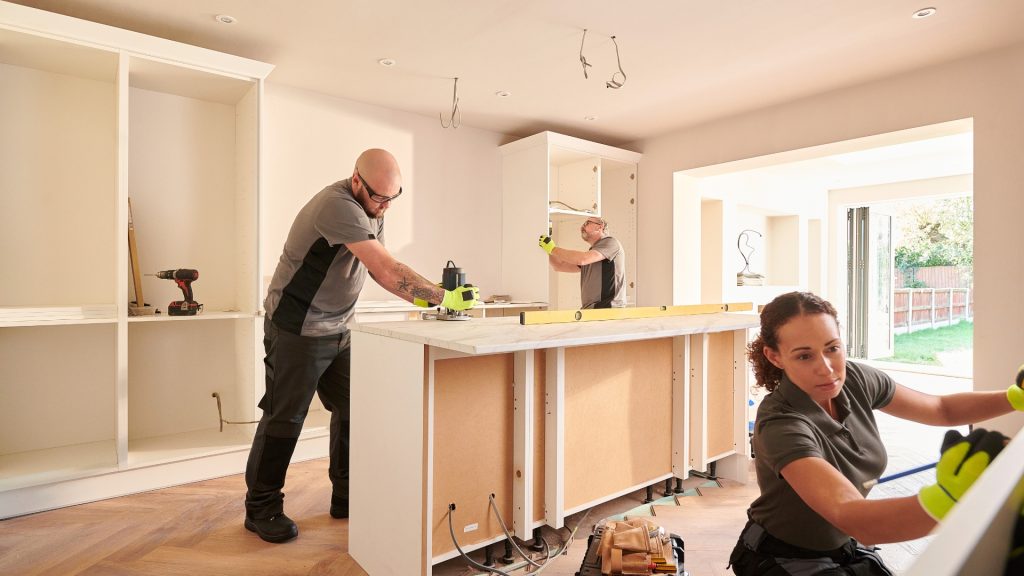
Installing a kitchen is a significant home improvement project that requires careful planning and execution. From the initial rough drawing to the final touches, the entire process typically takes around 8 weeks, although this timeline can vary depending on the specifics of your project. Here’s a detailed breakdown of what you can expect at each stage. 1. Initial Planning and Design (1-2 weeks) Rough Drawing and Design Consultation: The first step in installing a kitchen is creating a rough drawing and meeting with a kitchen designer or contractor. This phase involves discussing your needs, preferences, and budget. The designer will take measurements of your space and create preliminary sketches. Finalizing the Design: After reviewing the initial designs, you’ll work with the designer to finalize the layout, choose materials, and select appliances. This can take one to two weeks, depending on how quickly decisions are made. 2. Ordering Materials and Appliances (2-3 weeks) Placing Orders: Once the design is finalized, orders for cabinets, countertops, appliances, tiles, and other materials are placed. The lead time for these items can vary, with custom cabinets often taking the longest (up to six weeks or more), but generally, this stage takes about two to three weeks. 3. Site Preparation (1 week) Demolition and Removal: Before new installations can begin, the old kitchen must be removed. This involves demolishing existing cabinetry, countertops, and possibly flooring. This stage also includes preparing the space for the new kitchen by addressing any plumbing or electrical issues. Typically, this process takes about a week. 4. Structural Work and Rough-In (1-2 weeks) Plumbing, Electrical, and Structural Adjustments: If your kitchen layout is changing significantly, new plumbing and electrical lines may need to be installed. This can also include any structural changes, like moving walls or reinforcing flooring. This stage takes about one to two weeks, depending on the complexity of the changes. 5. Installation of Cabinets and Appliances (2-3 weeks) Cabinet Installation: Once the space is prepared, the installation of cabinets can begin. This step is crucial as cabinets form the backbone of the kitchen. Installing cabinets typically takes one to two weeks. Appliance Installation: After the cabinets are in place, appliances are installed. This includes fitting in ovens, refrigerators, dishwashers, and other major appliances. This process usually takes a few days to a week. 6. Countertops and Backsplash (1-2 weeks) Countertop Template and Installation: After the cabinets are installed, precise measurements are taken for the countertops. It can take a week or more for custom countertops to be fabricated and installed. Tiling and Backsplash: Installing the backsplash tiles can begin once the countertops are in place. This usually takes a few days to a week, depending on the size of the area and the complexity of the tile design. 7. Finishing Touches (1 week) Final Details: The last stage involves installing finishing touches like lighting fixtures, faucets, hardware, and any final painting or trim work. This final step usually takes about a week. 8. Final Inspection and Walkthrough Inspection: A final inspection ensures that everything is installed correctly and functioning properly. Any necessary adjustments or touch-ups are made at this time. Conclusion The process of installing a kitchen from start to finish takes about 8 weeks on average. This timeline can vary depending on factors like the complexity of the design, the availability of materials, and the speed of decision-making. Proper planning and communication with your contractor can help ensure a smooth and timely kitchen installation.

Budget Kitchen, Kitchen Budget, kitchen makeover, Kitchen Recipes, Kitchen Trends, Kitchens, Recipes

Easy Bunny Chow recipe in your kitchen

Welcome back to the Homestead Kitchens blog! We know that a well-designed kitchen is not just about aesthetics but also about functionality and the joy of cooking. What better way to appreciate your beautiful kitchen than by preparing a dish that’s rich in history and flavor? Today, we’re excited to share a traditional South African recipe that you can easily recreate in your newly renovated kitchen: Bunny Chow. What is Bunny Chow? Bunny Chow, affectionately known as “Bunny,” is a South African fast food dish consisting of a hollowed-out loaf of bread filled with delicious curry. Originating from the Indian community in Durban, this dish is not only packed with flavor but also represents a fusion of cultures, making it a perfect meal to enjoy with family and friends in your cozy kitchen. Ingredients: For the Curry: For the Bunny Chow: Instructions: 1. Prepare the Curry: 2. Prepare the Bread: 3. Assemble the Bunny Chow: Enjoy Your Bunny Chow! Your Homestead Kitchens renovation has provided you with the perfect space to explore new culinary adventures. Bunny Chow is not just a meal; it’s an experience that brings a touch of South African tradition right into your home. Enjoy the hearty flavors, and take pride in the beautiful kitchen that makes creating such delightful dishes a pleasure. At Homestead Kitchens, we believe that a well-designed kitchen is the heart of any home. It’s where memories are made, and delicious meals are shared. Stay tuned for more recipes and tips to make the most out of your kitchen space. Happy cooking!

Budget Kitchen, Kitchen Budget, kitchen makeover, Kitchen Trends, Kitchens

What is a good budget for a new kitchen in South Africa?

The kitchen is the heart of the home, and a South African kitchen renovation can be a fantastic way to increase your home’s value and enjoyment. But how much should you budget? Kitchen renovations can vary wildly in cost, so it’s important to plan ahead. Size Matters The biggest factor influencing your budget is the size of your kitchen. Here’s a general breakdown: Beyond the Cabinets Remember, this is just for the kitchen itself, excluding appliances, plumbing, electrical work, and tiling. These can add significant costs, so factor them in. Finding Your Fancy (and Budget) The next big cost influencer is the level of finish you desire. Here’s a loose guide: Saving Savvy There are ways to be smart with your budget: The Final Count Remember, these are just starting points. Talk to professionals, get specific quotes, and be realistic about your budget. With careful planning, you can create your dream South African kitchen without breaking the bank.

Scroll to Top