HOW TO MEASURE YOUR KITCHEN

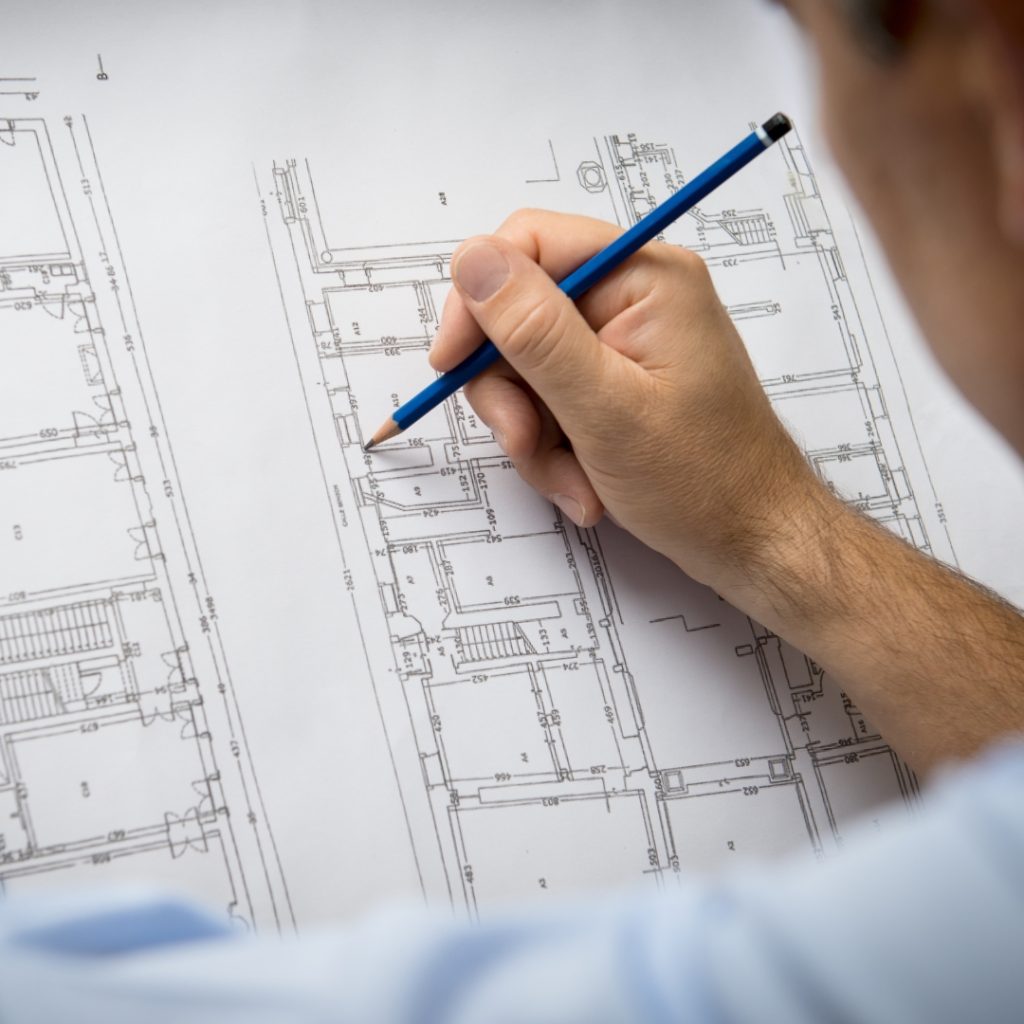
Some people prefer us to measure their spaces for them. Whether for kitchens or for wardrobes. Some will send us house plans, and yet, others will want to do the measuring themselves. Perhaps you are one of the latter.

As a guide, here are 7 simple steps showing you how to measure your kitchen accurately, which if followed correctly, will give us exactly what we need in order to design your perfect kitchen.

Start

SKETCH YOUR KITCHEN

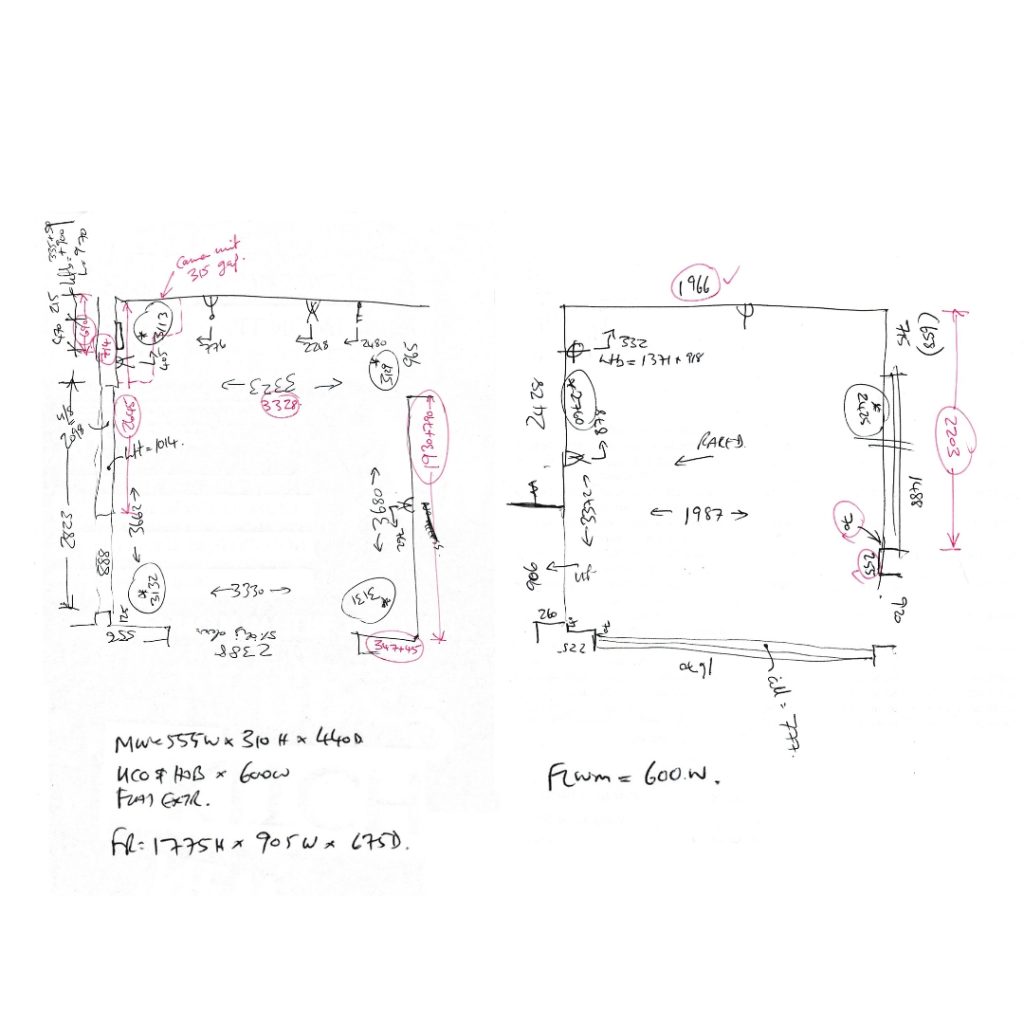
The first step is to sketch out your kitchen layout as proportionately accurate as possible. Show all the walls, door and window positions, openings and serving hatches, electrical points including the DR (distribution board), etc.

Don’t include existing cupboards as we will be redesigning your kitchen for you from the ground up. Once you have sketched out your kitchen you can start measuring.

WALLS & OPENINGS

Before you start measuring please note that your measurements should be in millimeters, and should be written down to the nearest five millimeters.

Now measure the full length of each wall and write the measurements on the corresponding walls. In most cases kitchens will be rectangular with four walls however some have angles and/or more than four walls in which case, measure them all and where possible, measure overall lengths too.

Where there are openings, measure the full width and height of the opening, as well as the thickness of the brickwork.

In the case of a serving hatch, measure the full width and height of the opening, the height from the floor, the distance from the closest corner, as well as the thickness of the brickwork.

Measure short wall lengths, the height to the top of the short wall as well as the thickness of the brickwork
Should you intend on demolishing any of the walls, please indicate which walls will be removed, as well as which portions of the walls will be remaining.

WINDOWS & DOORS

Now it’s time to measure the positions of all doors and windows.

Start by measuring the overall width and height of each window, the distance to the nearest corner, and the distance between windows when there are more than one window on a wall. Now measure the height of the window cill from the floor.

Next measure the width and height of all door openings as well as the distance to the nearest corner.

Note that some door and window frames are built flush with the walls in which case, measure from outside of frame to outside of frame. Remember that the goal is to determine usable wall space.

CEILING HEIGHTS

Some ceilings are flat, some are lower at one end and increase in height towards the other end of the room (known as a raked ceiling), and some have raised or dropped sections as features.

With flat ceilings measure the height of the ceiling from the floor, at each corner of the room. This will allow us to determine the average ceiling height. Where a section of the ceiling is raised or dropped, indicate the height difference, as well as the distance of each side of the feature from the nearest corresponding wall, With raked ceilings, we will require the height of the lowest side, the height of the highest side, and the direction it raises with an arrow drawn on your sketch.

ELECTRICAL POINTS

The two main electrical components are the position of the DB (distribution board), and the existing position of electrical points.

First measure the height and width of your DR including any meter boxes that may be installed next to your DB. Be sure to measure from outside to outside, and include any meter boxes in the measurement. Now measure the height of the lowest point of your DR from the floor, as well as the distance from the nearest corner.

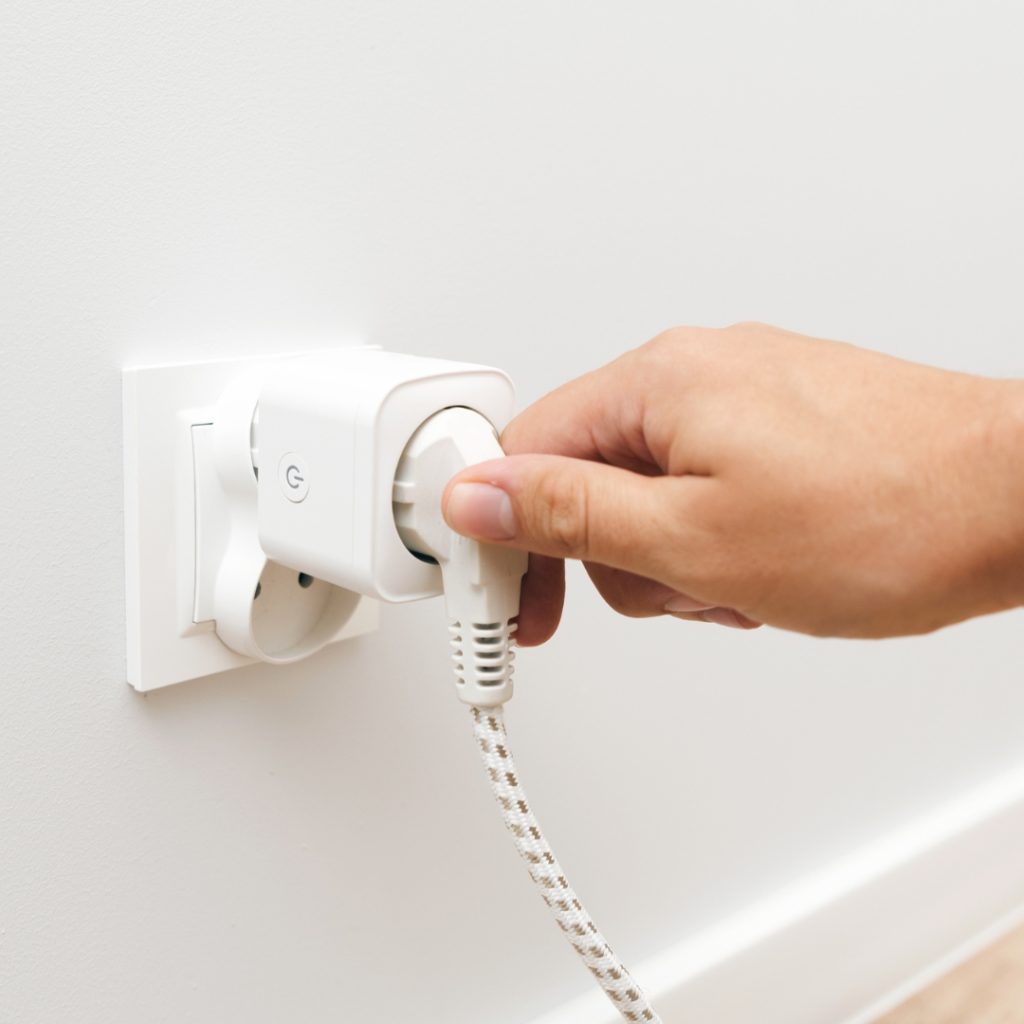
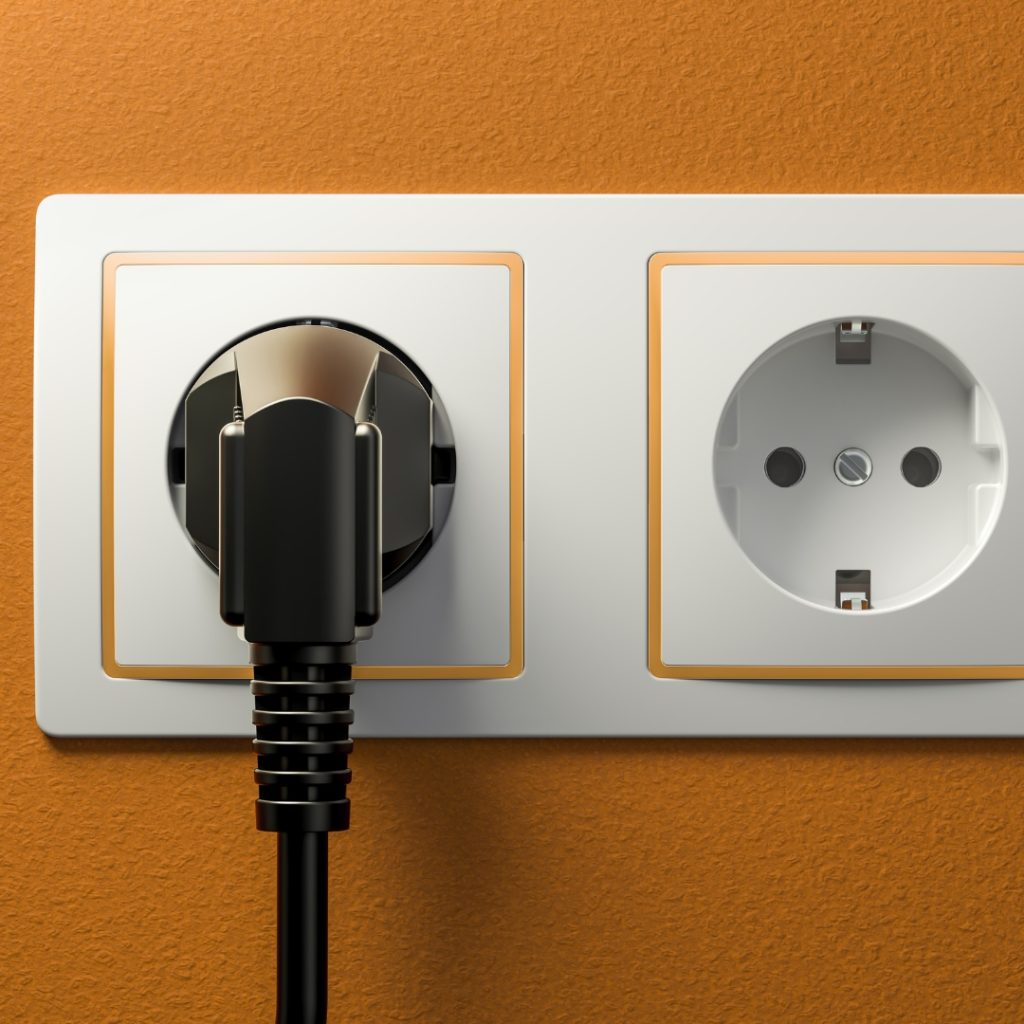
Now measure the position of each plug point. In this case, measure the distance to the center of the plug point. Start from one corner to the nearest plug point, then plug point to plug point. Measure each plugpoint height from the floor to the top of the plugpoint. Be sure to indicate whether they’re a single or double plug, isolator switch, etc. Do the same for any lightswitch.

Note: When measuring electrical points with a metal tape measure, extreme caution is to be taken. Especially when measuring the DB.

APPLIANCE SIZES

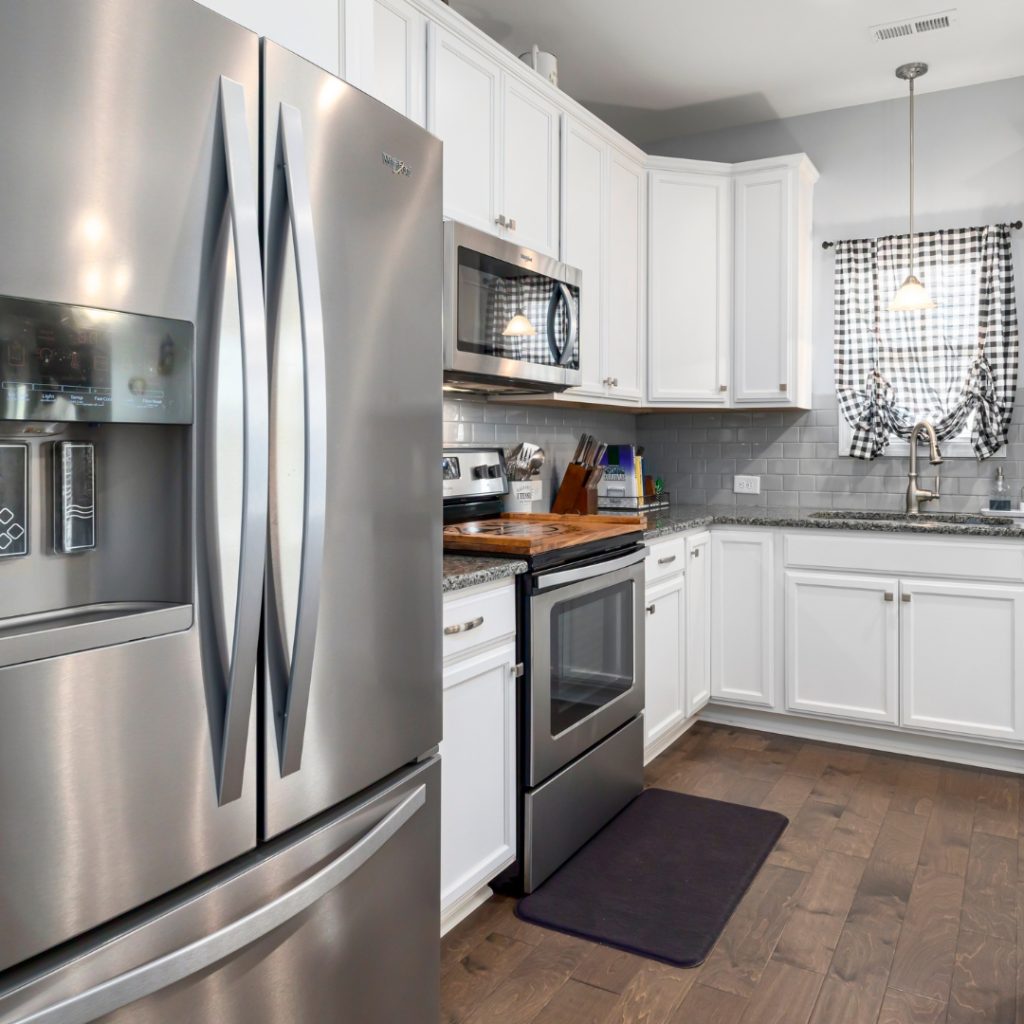
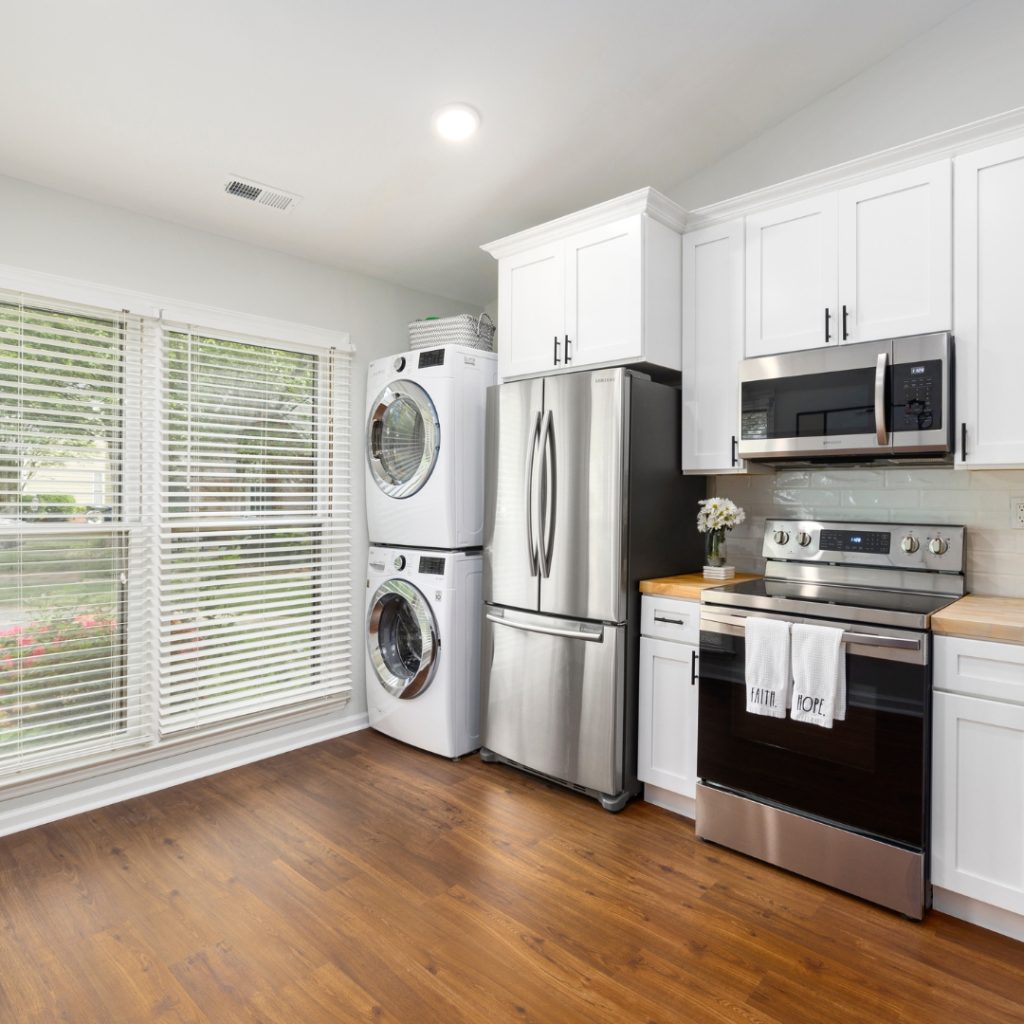
If you have already or intend to purchase new appliances, then please let me know the Make and Model of each new appliance that you have bought, or intend to buy.

We will require the full height, width, and depth of all appliances you will be re-using in your kitchen.

Note: Microwave ovens have an extended back and some fridges have external cooling grids behind them. When measuring appliances, please include those as we require the full sizes in order to design your kitchen accurately.

PHOTOGRAPHS

Now all that’s left is to take some photos of your kitchen. When doing so, please include at least two photos of each wall from different perspectives, any details that we should take note of, as well as a close-up of your DR.

Now take a short video of your kitchen starting at one end and including a full rotation. This will allow us to see details that may have been obscured in the photos.

THINK YOU'RE READY TO GET STARTED?

Download our checklist below to confirm your submission. You can also view the process from rough sketches all the way to the final design.


Scroll to Top