Author name: Homestead Kitchens

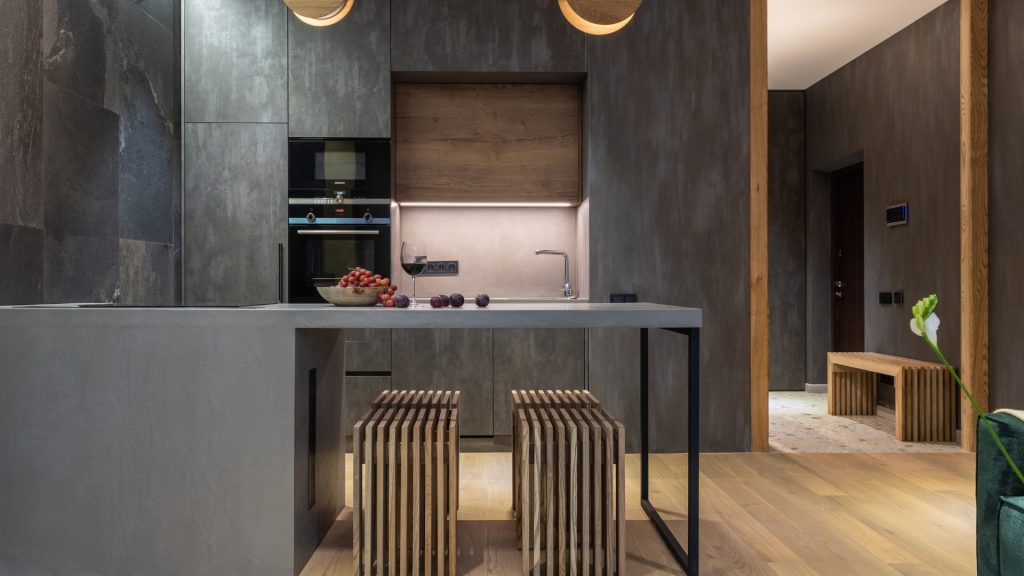
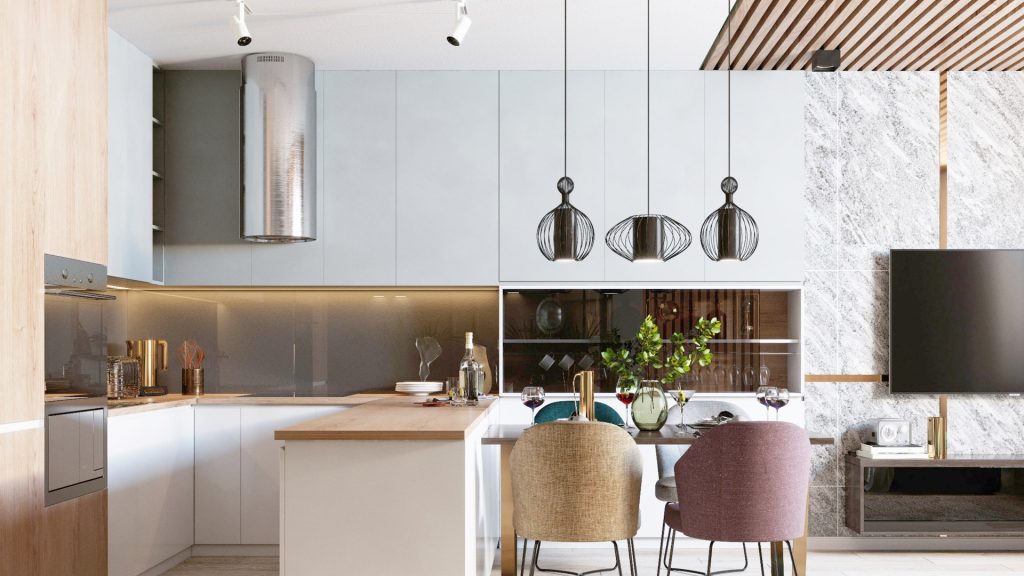
modern kitchen renovation
Uncategorized

Why You Should Consider a Kitchen Renovation

When you think of a kitchen renovation, what comes to mind? Is it a shiny new countertop or a sleek, modern design? While those are key elements, a kitchen renovation is more than just cosmetic updates. It’s an investment in your home, your lifestyle, and your future. Here’s why this process should be taken seriously, and how it can change the way you use your space. The Heart of Your Home The kitchen is often referred to as the heart of the home, and for good reason. It’s where meals are prepared, families gather, and memories are made. But over time, even the most well-loved kitchens can begin to show signs of wear and tear. From outdated cabinets to inefficient layouts, many kitchens need more than just a touch-up. They need a complete overhaul. A kitchen renovation isn’t just about updating the look. It’s about improving functionality and creating a space that works for you and your family. The design should reflect your personality and meet your needs in the most practical way possible. Why Renovating Makes Sense There are plenty of reasons to invest in a kitchen renovation. Whether you’re preparing for a resale, or simply want a better, more functional space, the benefits are undeniable. Key Steps in a Kitchen Renovation So, what does a kitchen renovation actually involve? Here are the key steps to get started: The Bottom Line A kitchen renovation is more than just an aesthetic upgrade—it’s a chance to make your home work better for you. Whether you’re increasing your home’s value, improving its functionality, or simply creating a space where you can truly enjoy your time, a well-planned kitchen renovation can completely transform the way you experience your home. So, if you’re feeling that your kitchen is due for a makeover, take the plunge! With the right planning and execution, you’ll end up with a space that serves you for years to come.

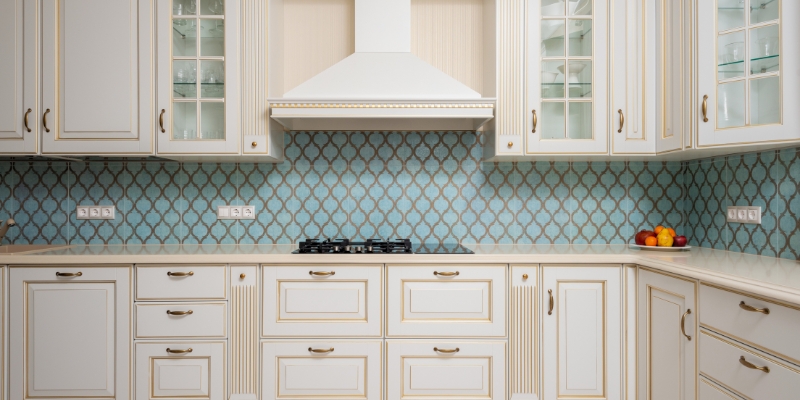
kitchen design
kitchen design

Kitchen Design Ideas to Elevate Your Space with Homestead Kitchens

The kitchen is where functionality meets creativity. It’s the centerpiece of your home, and its design sets the tone for everything from family dinners to casual gatherings. According to a recent survey, over 80% of homeowners say their kitchen design impacts how much time they spend cooking and entertaining. That’s why it’s worth investing in a layout and aesthetic that works for you. At Homestead Kitchens, we specialize in blending style and function to create kitchens you’ll love to use and show off. Whether you’re updating a small space or planning a complete overhaul, these ideas will inspire your next kitchen design. Go Bold with a Statement Island The kitchen island isn’t just for extra counter space; it’s the centerpiece of modern kitchens. Use bold colors or unique materials to make it stand out. Think deep navy, forest green, or even a marble countertop with dramatic veining. Beyond aesthetics, islands with built-in storage or seating add functionality. Embrace Two-Tone Cabinets For a contemporary yet timeless look, mix and match cabinet colors. Two-tone cabinets—such as a dark base paired with lighter upper cabinets—create visual contrast and depth. This approach works especially well in open-concept spaces where you want the kitchen to stand out without overpowering the room. Go Minimalist with Open Shelving Open shelving is a popular trend for those who want a light, airy feel. It allows you to display your favorite dishes, plants, or decorative pieces. Pair natural wood shelves with a neutral backsplash to create a clean yet inviting look. Just make sure to keep them organized to avoid a cluttered appearance. Incorporate Smart Technology Smart kitchens are no longer a luxury—they’re a practical upgrade. From voice-activated faucets to Wi-Fi-enabled ovens, integrating technology makes cooking and cleaning easier. Consider touchless lighting controls or a smart fridge that tracks groceries and expiration dates for added convenience. Add a Splash of Personality with Backsplashes Your backsplash is the perfect place to showcase your personal style. From geometric patterns to textured tiles, there’s no shortage of options to make your kitchen unique. For a timeless look, choose subway tiles with a contrasting grout color. For something bolder, experiment with metallic or mosaic designs. Focus on Lighting Layers Good lighting transforms a kitchen. Layered lighting ensures both functionality and ambiance. Combine recessed lights for general illumination, pendant lights over the island for style, and under-cabinet lighting for task areas. Adjustable dimmers can help you transition from bright prep sessions to cozy dinners seamlessly. Opt for Integrated Appliances Integrated appliances create a seamless look by blending into your cabinetry. Refrigerators and dishwashers with panel fronts give a sleek, uncluttered vibe. This is especially useful in small kitchens, where maintaining a cohesive design makes the space feel larger. Add Warmth with Natural Materials Incorporating natural materials like wood, stone, or rattan adds warmth and texture to your kitchen. Wooden countertops or beams provide a rustic touch, while stone backsplashes bring durability and elegance. Pair these elements with soft neutral colors for a calming aesthetic. Create Zones for Efficiency A well-zoned kitchen makes life easier. Separate areas for prep, cooking, and cleanup reduce clutter and improve workflow. For example, position the sink, stove, and refrigerator in a triangular layout for optimal efficiency. If space allows, include a dedicated coffee station or baking nook to enhance usability. Play with Color Neutral kitchens are classic, but don’t shy away from color. Soft pastels, bold jewel tones, or earthy greens can transform your kitchen into a vibrant and welcoming space. Whether you opt for colorful cabinets, vibrant tiles, or statement appliances, adding a splash of color creates a memorable design. Consider Multi-Functional Furniture For smaller kitchens, multi-functional furniture can make a big impact. Think extendable tables, fold-down counters, or rolling carts that provide additional workspace when needed. These clever solutions maximize functionality without compromising on style. Final Touches: Don’t Forget Decor Decorative accents bring your kitchen to life. Add potted herbs for a fresh, natural element. Hang artwork or decorative plates to inject personality. Even small touches like stylish drawer pulls, colorful rugs, or unique light fixtures can elevate the overall design. Conclusion: A kitchen renovation is your opportunity to create a space that reflects your lifestyle and personal taste. Whether you’re drawn to modern minimalism, rustic charm, or bold contemporary designs, these ideas from Homestead Kitchens can help you plan the perfect transformation. Remember, great design is about blending form and function, creating a kitchen that’s as practical as it is beautiful. With the right inspiration and professional guidance, your dream kitchen is just a renovation away. Ready to get started? Let Homestead Kitchens bring your vision to life!

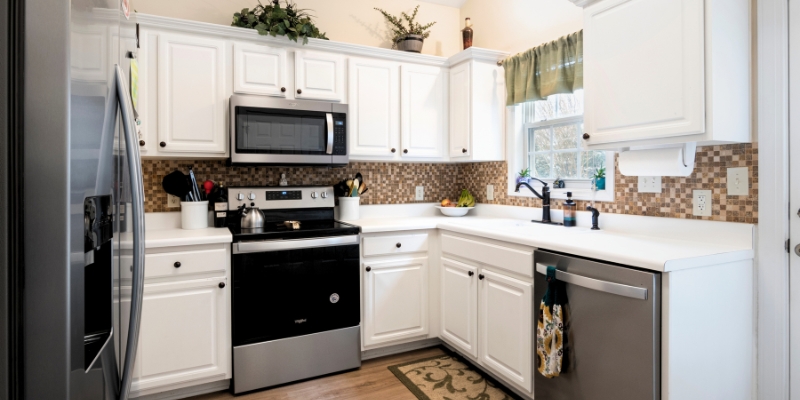
Kitchen Renovation
Budget Kitchen, kitchen makeover, kitchen renovation

Expert Tips on Your Next Kitchen Renovation

Every great meal begins in the kitchen, but a worn-out, outdated space can take the joy out of cooking and gathering with loved ones. Research shows that a modern, functional kitchen can increase a home’s value by up to 20%—yes, you read that right! Imagine walking into a sleek, custom-designed kitchen with every detail tailored to your taste and needs. A dream kitchen isn’t just about looks; it’s about lifestyle, comfort, and even a boost in home value. At Homestead Kitchens, we believe that a well-planned kitchen renovation should be about more than just updating countertops or adding new appliances. It’s an investment in your home and quality of life, balancing style and practicality. So, how do you ensure your kitchen renovation delivers on both design and function? In this guide, we’ll break down the essentials—from budgeting to choosing the right materials—to help you create a space that’s both beautiful and built to last. Why Renovate Your Kitchen? If you’re considering a kitchen renovation, you’re not alone. Homeowners increasingly see kitchens as the heart of the home—a place for more than just cooking. Whether it’s for hosting, working, or simply enjoying a cup of coffee, a thoughtfully renovated kitchen can transform your entire home environment. Not only can a kitchen remodel add resale value, but it also significantly enhances your day-to-day life. Key Steps to a Successful Kitchen Renovation 1. Establish a Realistic Budget The first rule of any renovation? Budgeting. According to industry experts, homeowners should spend between 5-15% of their home’s total value on a kitchen renovation. This ensures a good return on investment, whether you plan to sell or stay. Set a clear budget and allocate funds for essentials like cabinetry, appliances, flooring, and finishes. Factor in a buffer for unexpected costs that tend to pop up during renovations. Quick Tip: Avoid cutting costs on structural elements, but be strategic with materials and finishes. Opt for durable and stylish alternatives that offer the best of both worlds. 2. Plan for Functionality First When designing a kitchen, style matters, but functionality comes first. Think about your cooking habits and lifestyle. Do you prefer open shelving for easy access or closed cabinets to hide clutter? Do you need extra counter space for cooking or an island for entertaining? These are the kinds of questions you’ll need to answer as you plan the layout. The “work triangle” concept—placing the sink, stove, and fridge within close reach—remains a timeless layout rule for efficiency. At Homestead Kitchens, we focus on tailoring layouts that fit your specific needs, whether you’re an aspiring chef or a busy parent. 3. Choose Quality Materials Kitchen materials should be both durable and visually appealing. Invest in high-quality cabinets, countertops, and flooring that will stand up to the demands of daily use. Quartz countertops, for instance, offer an elegant look and are scratch-resistant and low-maintenance. Meanwhile, engineered wood flooring provides a warm, natural feel while being durable and easy to clean. Insider Tip: When choosing cabinetry, go for solid wood or wood veneer. It’s a worthwhile investment that adds an upscale look and durability to your kitchen. 4. Add Smart Storage Solutions Clutter-free countertops are a hallmark of modern kitchens. Integrate smart storage solutions to keep everything organized. Pull-out pantries, deep drawers for pots, lazy Susans in corner cabinets, and dedicated compartments for small appliances can make a world of difference. These solutions are more than just convenient—they help you keep a clean, spacious, and functional kitchen. 5. Consider Energy-Efficient Appliances Modern kitchen renovations are incomplete without energy-efficient appliances. Not only do they reduce your carbon footprint, but they also save money on utility bills. Look for ENERGY STAR-rated refrigerators, dishwashers, and ovens. These appliances consume less water and energy, making them a smart choice for eco-conscious homeowners. 6. Add the Right Lighting A well-lit kitchen isn’t just practical; it also adds to the room’s ambiance and functionality. Incorporate layered lighting: ambient lighting for general illumination, task lighting for areas like the countertops and stove, and accent lighting to showcase unique features or design elements. Under-cabinet lights can also provide subtle illumination, giving your kitchen a cozy, welcoming vibe. Quick Tip: Consider installing dimmer switches so you can control the brightness depending on the time of day or activity. 7. Don’t Forget the Finishing Touches Details matter. From faucets to drawer pulls, the finishing touches in your kitchen can make or break the aesthetic. Opt for hardware that complements your overall design, whether it’s sleek stainless steel for a modern kitchen or warm brass for a rustic vibe. Add a touch of personal style with statement pieces like a unique backsplash or a bold paint color to make your kitchen uniquely yours. Final Thoughts Kitchen renovation isn’t just about making a beautiful space—it’s about creating a room that fits your lifestyle and enhances your home’s functionality. By carefully planning your budget, choosing the right materials, and focusing on functional design, you can create a kitchen that’s not only stylish but also built to last. At Homestead Kitchens, we bring expertise and passion to every project, transforming your vision into reality. So, if you’re ready to upgrade your kitchen, give us a call. Whether you’re dreaming of a cozy farmhouse kitchen or a sleek, modern space, our team is here to make your renovation journey smooth, rewarding, and exciting.

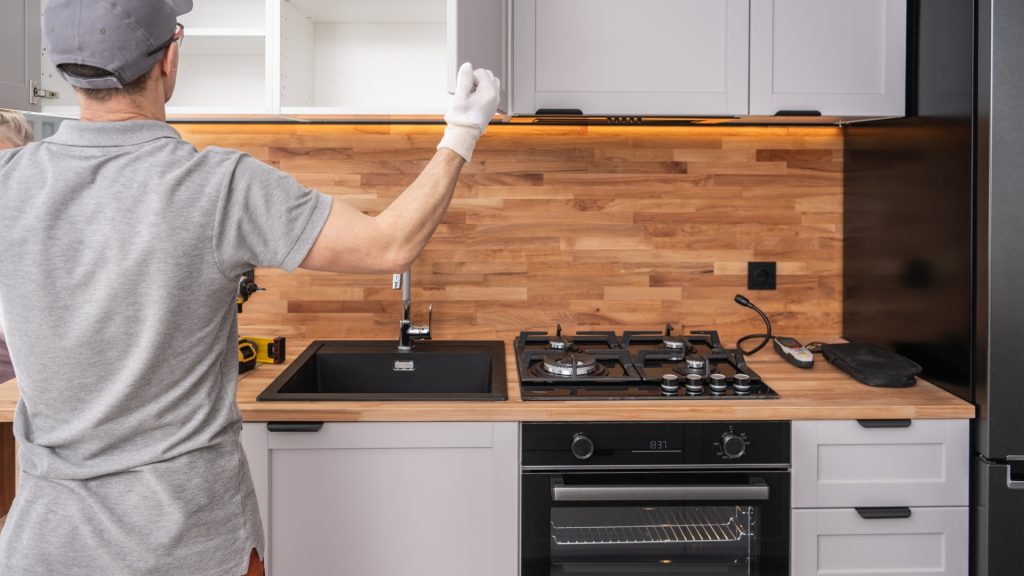
kitchen installer
kitchen installer

Essential Guide to Choosing the Right Kitchen Installer for Your Home

Hiring the right kitchen installer can make all the difference between a kitchen that looks great but fails to function well and one that’s beautifully designed to work seamlessly with your day-to-day needs. A thoughtfully installed kitchen can add up to 10% to your home’s resale value and even more to your everyday satisfaction. But with so many options out there, how do you know which installer to trust? This guide breaks down everything you need to know—from essential qualifications to the details that make the difference in a well-executed kitchen installation. Let’s get started. 1. Evaluate Experience and Expertise One of the first things to consider is the installer’s experience. Kitchen installations involve more than just placing cabinets and countertops; they require knowledge of plumbing, electrical work, and even structural changes if you’re doing a full remodel. Look for an installer with a solid portfolio of completed projects similar to what you envision for your own kitchen. Ask for a portfolio: Many experienced installers keep a record of past work that showcases their expertise. Look for projects with layouts, materials, and designs similar to what you have in mind. This will give you confidence that they can meet your specific needs. 2. Verify Licensing and Insurance A kitchen installation can involve complex tasks, from re-routing electrical wiring to plumbing changes and gas line adjustments. It’s crucial to work with a licensed installer who has up-to-date insurance. Why it matters: Licensing means they’ve met industry standards for quality and safety. Insurance protects you from liability if accidents or damages occur during the project. You can ask for proof of both during initial consultations. 3. Read Reviews and Ask for References Online reviews and personal recommendations offer valuable insights into an installer’s reliability and quality. Check out reviews on reputable sites or ask for references from past clients. Look for recurring themes: Positive feedback about reliability, workmanship, and communication indicates a dependable installer. If you see repeated complaints about delays or shoddy work, take it as a warning sign. Tip: It’s worth reaching out to at least one previous client for direct feedback. Ask if they encountered any problems, how those were handled, and if they’d hire the same installer again. 4. Check for Specialization and Customization Capabilities Not every kitchen installer will have the same range of skills or design preferences. Some specialize in modern or minimalist designs, while others may excel at rustic or traditional kitchens. Matching an installer’s specialization to your style can make a significant difference in the final result. Inquire about customization: If you have unique cabinetry ideas, high-tech appliances, or specific material preferences, confirm that the installer has experience working with these elements. A skilled installer should be comfortable working with custom elements to bring your vision to life. 5. Understand the Scope of Services Not all installers offer the same services. Some might only handle the physical installation, while others might assist with design, material selection, and even project management. Assess what’s included: Find out if your installer coordinates with other trades, like plumbers, electricians, or countertop specialists. If they do, it could save you time and stress. If they don’t, be prepared to handle additional coordination yourself or hire a project manager. 6. Clarify Budget and Payment Terms Cost is a critical factor, but so is clarity on payment terms and budget transparency. A reputable installer will provide a detailed estimate that covers labor, materials, and any additional costs. Avoid low-ball estimates: An unrealistically low estimate could mean compromises on quality or unexpected costs cropping up mid-project. Aim to get at least three quotes to compare pricing, ensuring you understand each line item. Payment structure: Make sure the payment terms are clear before the project begins. Most installers require a deposit, followed by staged payments as the project progresses. Avoid paying the entire amount upfront, as it’s standard to keep a portion back until final inspection. 7. Prioritize Communication and Transparency Effective communication with your kitchen installer is key to ensuring the project goes smoothly. You’ll need someone who keeps you informed of progress, discusses any changes, and promptly addresses concerns. Ask about updates: Find out how often you’ll receive updates and whether you’ll have a direct point of contact. Good communication can prevent small issues from becoming big ones and help keep your project on schedule. Transparency in timing: Kitchen installations often involve several stages, from demolition to plumbing, electrical, and final finishes. A reliable installer should provide a rough timeline and alert you to any potential delays early on. 8. Understand Warranty and Follow-Up Services A warranty shows the installer’s confidence in their work. Most reputable kitchen installers offer some form of guarantee on their workmanship, covering issues that might arise after completion. Inquire about follow-up services: Some installers offer post-installation services, such as touch-ups, adjustments, or annual inspections. Having access to these services can ensure your kitchen remains in top condition long after the initial installation. Warranties on materials: If your installer provides materials, check if they’re also under warranty. Some manufacturers offer guarantees on products like cabinets or countertops, which can add an extra layer of assurance. Conclusion Choosing the right kitchen installer is a vital step that can save you time, money, and stress in the long run. With a clear understanding of their experience, licensing, and scope of services, you’re better equipped to make a smart decision. Remember to review portfolios, clarify budgets, and ensure transparent communication throughout the process. Following these guidelines will help you find an installer who aligns with your vision and delivers a kitchen that’s both beautiful and functional. Whether it’s your first remodel or a long-awaited dream kitchen, the right installer will bring your vision to life.

kitchen installer
Uncategorized

5 Reasons to Hire a Professional Kitchen Installer

Renovating a kitchen is a significant investment, not only in terms of money but also in time and effort. While some might consider a DIY approach, a professional kitchen installer can make a world of difference in the quality, efficiency, and longevity of your remodel. In this article, we’ll explore five reasons why hiring a pro is the smartest choice you can make for your kitchen renovation. 1. Expertise in Design and Planning A professional kitchen installer brings a wealth of knowledge and experience to the table. They understand the intricacies of kitchen layouts, spacing, and design that many homeowners might overlook. Professionals know how to optimize space, ensure functionality, and work with various kitchen styles. From handling complex measurements to aligning cabinetry perfectly, their expertise helps create a cohesive and functional kitchen. Moreover, they can recommend the best materials and finishes based on your needs, lifestyle, and budget. This level of insight is invaluable, especially when it comes to making choices that will stand the test of time. 2. Access to Specialized Tools and Equipment Installing a kitchen requires more than just a screwdriver and a level. Professional kitchen installers have access to specialized tools and equipment that make the job smoother and more precise. From high-quality saws for custom cuts to laser levels for perfect alignment, their tools allow them to achieve results that are often impossible with standard household tools. By hiring a professional, you avoid the hassle and additional cost of purchasing or renting these tools yourself. Plus, you can rest assured that they know exactly how to use them safely and effectively. 3. Efficiency and Time-Saving DIY kitchen renovations often stretch out for weeks or even months, particularly if you’re tackling the project in your spare time. Professional installers, on the other hand, are highly efficient and well-practiced, often completing the job in a fraction of the time it would take an amateur. They know how to manage their time, anticipate potential delays, and keep the project on track. Their streamlined approach not only reduces the time your kitchen is out of commission but also minimizes disruption to your daily life. By handing over the installation to a pro, you’ll have your new kitchen up and running much sooner. 4. Quality Workmanship and Attention to Detail Kitchen installation involves a lot of precision work. A professional installer ensures that every component, from cabinets to countertops, is aligned and installed correctly. This attention to detail contributes to both the aesthetics and functionality of your kitchen. Hiring a professional means you’ll have a finished product that not only looks great but also functions flawlessly. They understand the importance of small details—like making sure the cabinet doors close smoothly, or that the countertops are perfectly level—and they work meticulously to ensure everything is done right the first time. 5. Peace of Mind and Long-Term Value Perhaps one of the biggest advantages of hiring a professional kitchen installer is the peace of mind it brings. Pros stand by their work, often offering guarantees or warranties on their installations. If any issues arise after the installation is complete, you can count on them to address it. Moreover, a professionally installed kitchen adds significant value to your home. Should you ever decide to sell, buyers will appreciate the quality and craftsmanship that come with a professionally renovated kitchen. It’s an investment that pays off not only in daily enjoyment but also in increased resale value. Conclusion While DIY projects can be rewarding, a kitchen renovation is one area where the expertise of a professional installer truly shines. From precise craftsmanship to efficient project management, they bring a level of skill and insight that’s hard to match. Hiring a professional kitchen installer not only saves you time and money in the long run but also ensures that your kitchen becomes a beautiful, functional space that you’ll enjoy for years to come. When planning your next kitchen renovation, consider these five reasons and invest in a professional kitchen installer for the best results. After all, your kitchen deserves the best—and so do you!

Cupboard Installation man
kitchen cupboard installation

How to Ensure a Smooth Cupboard Installation

A successful cupboard installation can completely transform a space—whether it’s your kitchen, bedroom, or office. But the process? It’s more than just screwing panels together. Did you know that poor installation can reduce the lifespan of cupboards by nearly 50%? That’s a big deal when you’ve invested in high-quality cabinetry! At Homestead Kitchens, we’ve mastered the art of cupboard installations, ensuring everything from precision alignment to seamless integration into your space. In this guide, we’ll walk you through the key steps for a flawless cupboard installation. Whether you’re doing it yourself or working with a contractor, these tips will save you time, money, and frustration. Ready to get started? Let’s dive in! Why Proper Cupboard Installation is Critical Cupboards are a significant part of any room, serving both functional and aesthetic purposes. But what many people overlook is that the way cupboards are installed can directly impact their durability, usability, and even the overall design of your space. Let’s break down why getting the installation right from the start matters. Planning Your Cupboard Installation Before diving into the actual installation, it’s essential to have a well-thought-out plan. This phase can determine whether the process will go smoothly or turn into a nightmare of misaligned panels and missing screws. 1. Take Accurate Measurements The old saying, “measure twice, cut once,” applies more than ever when it comes to cupboard installation. Proper measurements ensure your cupboards fit perfectly in the designated space without leaving unsightly gaps or tight squeezes. 2. Consider Layout and Functionality The layout of your cupboards should be planned with both aesthetics and functionality in mind. Ask yourself the following questions: 3. Choose High-Quality Materials The quality of your cupboards is as important as the installation itself. At Homestead Kitchens, we recommend using sturdy, moisture-resistant materials, especially in areas like kitchens and bathrooms where humidity levels can be high. Opt for durable finishes that can withstand daily wear and tear, such as melamine or laminate for interiors, and hardwood for exteriors. Step-by-Step Guide to Cupboard Installation Now, let’s get into the actual installation process. Here’s a step-by-step guide to ensure your cupboard installation goes smoothly: 1. Prepare the Space Clear the installation area of any debris, old fixtures, or other obstructions. It’s also a good idea to mark out the dimensions of your cupboards on the walls with a pencil or tape. This will help guide placement and ensure you’re installing everything in the correct location. 2. Install the Support Rails If your cupboards are wall-mounted, the first step is to install a support rail. This will hold the weight of the cupboards while you’re screwing them into the wall. Ensure the rail is level and securely fastened to the studs in the wall, as these will provide the necessary support for heavy cupboards. 3. Hang the Wall Cupboards Start by hanging the upper cupboards before installing the base units. This avoids having to work around lower cupboards and gives you more space to maneuver. Use the support rail as a guide to lift the cupboards into place and secure them with screws into the studs. 4. Install the Base Units Once the upper cupboards are securely in place, it’s time to install the base units. Position them according to your floor plan, ensuring that each one is level. Use shims if necessary to adjust for any unevenness in the floor. 5. Add the Doors and Hardware With the cupboard frames in place, it’s time to install the doors and hardware. Attach the hinges first, then align the doors so that they sit perfectly flush with the cupboard face. After the doors, install handles or knobs according to your design preference. 6. Seal the Edges Finish the installation by sealing any visible gaps between the cupboards and the wall or ceiling with caulking. This not only improves the aesthetic but also prevents dust and moisture from getting into the cupboards. Common Installation Mistakes to Avoid Even with the best intentions, some common mistakes can ruin a cupboard installation. Here’s what to watch out for: Cupboard installation may seem like a daunting task, but with proper planning, attention to detail, and the right materials, it’s completely achievable—whether you’re doing it yourself or working with professionals. By following the steps outlined in this guide, you can ensure a smooth, efficient installation that will provide you with beautiful and functional storage for years to come. At Homestead Kitchens, we pride ourselves on offering not just top-quality cupboards, but also the expert advice and services to make your installation a breeze. If you need assistance with your project or want to explore custom cupboard options, reach out to us today! We’re here to help you create a space that’s both stylish and practical.

Kitchen remodel cost work
Kitchen Budget, kitchen makeover, kitchen remodel cost

Breaking Down Kitchen Remodel Cost in South Africa: A Smart Guide to Planning Your Renovation

When planning a kitchen remodel, the cost can be the biggest sticking point. But here’s the thing: a well-executed kitchen renovation can boost your home’s value by up to 20%. That’s not just an investment in style—it’s one that pays off. Knowing exactly how much to budget for your remodel is essential, and while some expenses are inevitable, you can make smarter choices that help you stay on track without sacrificing quality. Understanding the true cost of a remodel requires more than just budgeting for new cabinets or countertops. It’s about knowing where to spend and where to save. That’s where this guide comes in. We’ll walk you through the key factors that influence kitchen remodel costs in South Africa, so you can plan smarter, not harder. Let’s break it down. 1. Setting the Foundation: Determining Your Kitchen Remodel Budget Every successful kitchen renovation starts with a solid budget. How much should you set aside? A general rule of thumb is to spend 10-15% of your home’s value on a kitchen remodel. For a home worth R2,000,000, this means you’re looking at a budget of around R200,000 to R300,000. However, this number will vary depending on the scope of your project. If you’re simply updating fixtures or giving your kitchen a cosmetic facelift, you may get away with spending much less—between R70,000 and R120,000. But for a full renovation involving new layouts, plumbing, and electrical work, expect to go higher. The key to sticking to your budget? Prioritize what’s most important to you. If you love cooking, splurge on high-quality appliances. If aesthetics matter more, focus on countertops, cabinetry, and flooring. 2. Cabinets and Countertops: The Big Ticket Items One of the most significant expenses in a kitchen remodel is cabinetry. Custom cabinets can eat up 30-40% of your overall budget, but you have options. Semi-custom or stock cabinets offer a budget-friendly alternative while still delivering a stylish, functional kitchen. Custom cabinets in South Africa can cost between R50,000 and R150,000, depending on materials and craftsmanship. Semi-custom cabinets may be more affordable, costing between R30,000 and R80,000. When it comes to countertops, the price will depend largely on the material you choose. Granite, marble, and quartz are more expensive, ranging from R1,500 to R4,000 per square meter, but offer durability and a luxurious look. Laminate and solid surface countertops, which cost between R500 and R1,500 per square meter, are more affordable but may require more maintenance over time. If you’re working within a tighter budget, consider blending materials. You can splurge on quartz for your island while choosing a more affordable option like laminate for your perimeter countertops. 3. Appliances: Functionality vs. Luxury High-end appliances can be tempting, but it’s important to think about what you actually need. Do you really need a smart refrigerator or a commercial-grade oven? If not, you can save significant money by opting for mid-range appliances that still offer excellent performance. On average, you’ll spend about 10-15% of your kitchen remodel budget on appliances. In South Africa, this could range from R15,000 to R50,000, depending on the brand and features you choose. The key is to balance luxury with practicality. You don’t have to go all-in on premium brands to have a functional, stylish kitchen. Consider energy-efficient models that save you money in the long run on utility bills. 4. Plumbing and Electrical Work: Where Hidden Costs Lurk If your remodel includes changing the layout of your kitchen, you’ll likely need to budget for plumbing and electrical work. Moving a sink, stove, or refrigerator means rerouting pipes and wiring, which can add up quickly. For major changes, this could cost between R20,000 and R60,000, depending on the complexity. If possible, stick to the original layout of your kitchen to save on these costs. However, if the flow of your kitchen really needs improvement, make sure you get quotes from licensed professionals to avoid unexpected costs down the line. 5. Lighting and Flooring: Finishing Touches That Matter Lighting can transform a kitchen, both aesthetically and functionally. Recessed lighting, pendant lights, and under-cabinet lighting are popular choices, and you should allocate around 5% of your budget to lighting. In South Africa, quality lighting solutions could range from R5,000 to R20,000, depending on the complexity of your setup. Flooring is another key element that can elevate your kitchen design. Materials like hardwood, tile, or luxury vinyl are durable and attractive, but they come at different price points. You can expect to spend anywhere from R20,000 to R70,000, depending on your kitchen’s size and the material you choose. Tiles tend to be the most popular choice due to their durability and range of styles, costing between R250 and R800 per square meter. 6. Labor Costs: Hiring the Right Professionals The cost of labor is often one of the most underestimated parts of a kitchen remodel. Depending on the complexity of your project and where you live, labor can account for 20-35% of the total cost. Hiring licensed contractors ensures the job is done right, but it doesn’t come cheap. In South Africa, kitchen renovation labor costs range from R50,000 to R150,000, depending on the scope of work and the professionals you hire. Be sure to get multiple quotes from contractors and ask for references. A more expensive quote doesn’t always mean better quality, so compare your options carefully. And remember, cutting corners on labor can cost you more in the long run if something goes wrong. 7. Plan for Contingencies: A Remodeler’s Golden Rule No matter how well you plan, unexpected costs will arise. Whether it’s discovering outdated wiring behind the walls or realizing that your custom cabinets take longer to arrive, it’s wise to set aside 10-20% of your total budget for contingencies. This safety net will give you peace of mind and ensure you’re not left scrambling to cover costs mid-project. Wrapping Up: A Smarter Approach to Kitchen Remodel Costs Budgeting for a kitchen remodel can feel daunting, but with the right approach, it’s manageable. By

Budget Kitchen, Kitchen Budget, kitchen units

Kitchen Units for Sale: Transform Your Space

Are you looking to revamp your kitchen but unsure where to start? Kitchen units are the backbone of any kitchen, providing storage and functionality. Whether you’re embarking on a complete kitchen remodel or simply want to refresh your existing space, the right kitchen units can make a world of difference. Understanding Kitchen Units Kitchen units come in various styles, materials, and configurations to suit different tastes and budgets. Here are some key factors to consider when choosing kitchen units: Benefits of Investing in New Kitchen Units Finding the Right Kitchen Units for Your Home When shopping for kitchen units, consider the following tips: Popular Kitchen Unit Trends Investing in new kitchen units is a worthwhile investment that can transform your home. By carefully considering your needs, style, and budget, you can find the perfect units to create a functional, beautiful, and enjoyable kitchen space.

Latest kitchen trend with a modern finish
Kitchen build, kitchen installation, kitchen makeover, Kitchen Trends

The Kitchen of Tomorrow: 5 Trends Shaping the Future of Your Culinary Space

The kitchen has always been the heart of the home, but in recent years, it’s transformed from a purely functional space to a stylish, multi-functional hub. Whether you’re planning a complete renovation or just looking to make some updates, keeping up with the latest kitchen trends can help you create a space that’s not only beautiful but also practical. Here are five trends that are shaping the kitchens of tomorrow. 1. Smart Kitchens: Technology Meets Convenience Smart kitchens are no longer a thing of the future—they’re here, and they’re transforming the way we cook, clean, and entertain. From refrigerators that alert you when you’re running low on groceries to ovens you can control with your smartphone, technology is making kitchens more efficient and convenient than ever. But it’s not just about gadgets; it’s about integration. Smart kitchens are designed to seamlessly blend technology with everyday use, making life easier without compromising on style. Imagine a kitchen where your coffee maker brews your morning cup automatically as you wake up, or where your dishwasher suggests the best wash cycle based on the load. This is the future of the modern kitchen. 2. Sustainable Materials: Eco-Friendly Choices As sustainability becomes a priority for many homeowners, eco-friendly materials are making their way into kitchen design. Recycled and repurposed materials like reclaimed wood, bamboo, and recycled metal are not only environmentally friendly but also add a unique, rustic charm to the space. In addition, energy-efficient appliances and water-saving fixtures are becoming standard in new kitchen designs. These choices not only reduce your environmental footprint but can also save you money in the long run. Sustainability doesn’t mean sacrificing style—today’s eco-friendly kitchens are as chic as they are green. 3. Minimalism with a Personal Touch The minimalist trend is still going strong, but it’s evolving. Today’s minimalist kitchens are all about clean lines, uncluttered spaces, and neutral color palettes. However, the new twist is adding personal touches that make the space uniquely yours. Think custom cabinetry that hides appliances for a seamless look, or open shelving that displays your favorite cookbooks and dishware. The key is to balance simplicity with elements that reflect your personality, making the kitchen not just a place to cook but a place where you feel at home. 4. Bold Color Palettes: Moving Beyond Neutrals While neutral tones like white, gray, and beige have long dominated kitchen design, bold colors are starting to make a comeback. Deep blues, rich greens, and even matte black are being used to add drama and sophistication to kitchen spaces. Accent colors are also becoming more popular, with homeowners opting for vibrant backsplashes, colorful cabinets, or statement-making islands. These bold choices can create a focal point in the kitchen, adding depth and character to the overall design. 5. Multi-Functional Islands: The Centerpiece of Modern Kitchens Kitchen islands have always been a popular feature, but they’re now evolving into the true centerpiece of the space. No longer just a place to prep food, today’s islands are multi-functional, offering everything from additional storage and seating to built-in appliances and charging stations. In open-concept homes, the island often serves as a natural divider between the kitchen and living areas, making it a key design element. Whether you’re hosting a dinner party or helping the kids with homework, a well-designed island can be the hub of activity in your kitchen. Conclusion: Designing the Kitchen of Tomorrow The kitchen of tomorrow is smart, sustainable, and stylish, blending cutting-edge technology with timeless design. Whether you’re embracing the latest trends or adding your own personal touch, the key is to create a space that works for you and your lifestyle. After all, the best kitchens aren’t just about looks—they’re about how they make you feel. Whether you’re dreaming of a smart kitchen that practically runs itself or a bold, personalized space that stands out, these trends offer plenty of inspiration for your next kitchen project. The future is bright, and it’s happening right in the heart of your home.

Kitchen Budget, kitchen makeover

Transform Your Space: The Ultimate Guide to Designing a Modern Kitchen

The kitchen is often considered the heart of the home. It’s where meals are prepared, conversations flow, and memories are made. In recent years, the trend towards modern kitchen designs has grown exponentially. Homeowners are looking to create spaces that are not only functional but also aesthetically pleasing. This guide will take you through everything you need to know about designing a modern kitchen that combines style, functionality, and the latest trends. 1. The Essence of a Modern Kitchen A modern kitchen is characterized by sleek lines, minimalist design, and the use of innovative materials and technology. The focus is on creating a space that is both practical and visually appealing. Here are some key elements that define a modern kitchen: 2. Planning Your Modern Kitchen Before diving into the design process, it’s crucial to plan your modern kitchen meticulously. This involves considering the layout, functionality, and your personal style preferences. Layout The layout of your kitchen is the foundation of its design. The most popular kitchen layouts include: Functionality A modern kitchen should be designed with functionality in mind. Here are some tips to enhance the functionality of your kitchen: 3. Design Elements of a Modern Kitchen Once you have a clear plan, it’s time to focus on the design elements that will bring your modern kitchen to life. Color Scheme The color scheme sets the tone for your kitchen. Modern kitchens often feature neutral colors such as white, gray, and black, which create a clean and timeless look. You can add pops of color through accessories or a feature wall to create visual interest. Cabinetry Cabinetry plays a significant role in the overall look of your kitchen. In modern kitchens, flat-panel cabinets with sleek handles or handleless designs are popular choices. Consider using materials like high-gloss lacquer, matte finishes, or natural wood for a sophisticated appearance. Countertops Countertops are a focal point in any kitchen. For a modern look, opt for materials like quartz, granite, or concrete. These materials are not only stylish but also durable and easy to maintain. Lighting Lighting is a crucial aspect of modern kitchen design. Layered lighting, which includes ambient, task, and accent lighting, helps create a well-lit and inviting space. Consider using pendant lights over the island, under-cabinet lighting for countertops, and recessed lighting for overall illumination. 4. Incorporating Smart Technology One of the hallmarks of a modern kitchen is the integration of smart technology. These innovations not only enhance the functionality of your kitchen but also add a touch of luxury. Smart Appliances From refrigerators with touchscreens to ovens that can be controlled via smartphone, smart appliances are becoming increasingly popular. These appliances offer features like remote control, energy efficiency, and advanced cooking modes. Touchless Faucets Touchless faucets are a practical addition to any modern kitchen. They reduce water waste and are more hygienic, as you don’t have to touch the faucet with dirty hands. Smart Lighting Smart lighting systems allow you to control the lighting in your kitchen using your smartphone or voice commands. You can adjust the brightness, color temperature, and even set schedules for your lights. 5. Adding Personal Touches While modern kitchens are known for their minimalist design, it’s essential to add personal touches to make the space feel like home. Here are some ideas to personalize your modern kitchen: Artwork Incorporate artwork that reflects your personal style. This could be a large piece of wall art, a collection of smaller framed prints, or even a gallery wall. Plants Adding plants to your kitchen can bring life and color to the space. Consider placing potted herbs on the windowsill, hanging plants from the ceiling, or incorporating a vertical garden. Unique Accessories Choose unique accessories that add character to your kitchen. This could include stylish bar stools, a statement backsplash, or decorative items like vases and bowls. 6. Modern Kitchen Trends Keeping up with the latest trends can help you create a kitchen that is both stylish and up-to-date. Here are some modern kitchen trends to consider: Open Shelving Open shelving is a popular trend in modern kitchens. It creates an open and airy feel and allows you to display your favorite dishes and glassware. Just be sure to keep the shelves organized and clutter-free. Mixed Materials Mixing different materials is a trend that adds depth and interest to your kitchen. For example, you could combine wood and metal, or pair concrete countertops with marble backsplashes. Hidden Storage Hidden storage solutions help maintain the clean and uncluttered look of a modern kitchen. Consider installing pull-out pantry shelves, under-cabinet storage, and built-in appliances. 7. Sustainability in Modern Kitchens Sustainability is an important consideration in modern kitchen design. There are several ways to create an eco-friendly kitchen: Energy-Efficient Appliances Choose appliances that have high energy-efficiency ratings. These appliances use less energy and can help reduce your carbon footprint. Sustainable Materials Opt for sustainable materials like bamboo, reclaimed wood, and recycled glass for your kitchen. These materials are environmentally friendly and can add a unique touch to your space. Water-Saving Fixtures Install water-saving fixtures such as low-flow faucets and dishwashers. These fixtures can help conserve water and reduce your utility bills. 8. Hiring a Professional While designing a modern kitchen can be an exciting project, it can also be overwhelming. Hiring a professional kitchen designer can help you navigate the process and ensure that your vision is brought to life. Benefits of Hiring a Professional Conclusion Designing a modern kitchen is a rewarding experience that can transform your home and enhance your lifestyle. By focusing on clean lines, innovative materials, smart technology, and personal touches, you can create a kitchen that is both functional and beautiful. Whether you’re planning a complete renovation or simply looking to update your existing space, this guide provides the inspiration and information you need to design the modern kitchen of your dreams.

Scroll to Top