
Every great meal begins in the kitchen, but a worn-out, outdated space can take the joy out of cooking and gathering with loved ones. Research shows that a modern, functional kitchen can increase a home’s value by up to 20%—yes, you read that right! Imagine walking into a sleek, custom-designed kitchen with every detail tailored to your taste and needs. A dream kitchen isn’t just about looks; it’s about lifestyle, comfort, and even a boost in home value.
At Homestead Kitchens, we believe that a well-planned kitchen renovation should be about more than just updating countertops or adding new appliances. It’s an investment in your home and quality of life, balancing style and practicality. So, how do you ensure your kitchen renovation delivers on both design and function? In this guide, we’ll break down the essentials—from budgeting to choosing the right materials—to help you create a space that’s both beautiful and built to last.
Why Renovate Your Kitchen?
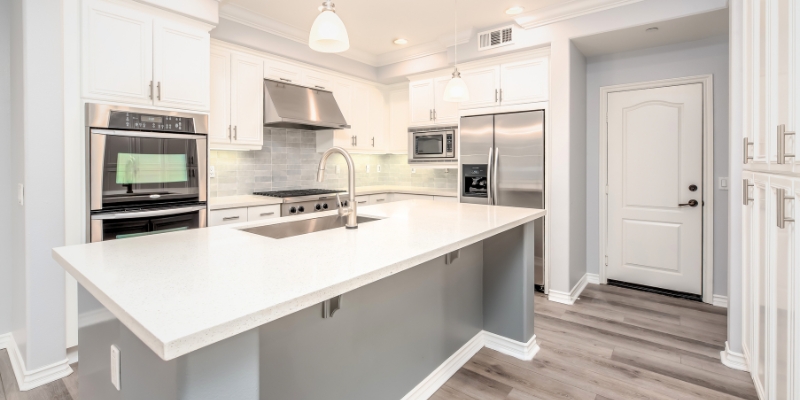
If you’re considering a kitchen renovation, you’re not alone. Homeowners increasingly see kitchens as the heart of the home—a place for more than just cooking. Whether it’s for hosting, working, or simply enjoying a cup of coffee, a thoughtfully renovated kitchen can transform your entire home environment. Not only can a kitchen remodel add resale value, but it also significantly enhances your day-to-day life.
Key Steps to a Successful Kitchen Renovation
1. Establish a Realistic Budget
The first rule of any renovation? Budgeting. According to industry experts, homeowners should spend between 5-15% of their home’s total value on a kitchen renovation. This ensures a good return on investment, whether you plan to sell or stay. Set a clear budget and allocate funds for essentials like cabinetry, appliances, flooring, and finishes. Factor in a buffer for unexpected costs that tend to pop up during renovations.
Quick Tip: Avoid cutting costs on structural elements, but be strategic with materials and finishes. Opt for durable and stylish alternatives that offer the best of both worlds.
2. Plan for Functionality First
When designing a kitchen, style matters, but functionality comes first. Think about your cooking habits and lifestyle. Do you prefer open shelving for easy access or closed cabinets to hide clutter? Do you need extra counter space for cooking or an island for entertaining? These are the kinds of questions you’ll need to answer as you plan the layout.
The “work triangle” concept—placing the sink, stove, and fridge within close reach—remains a timeless layout rule for efficiency. At Homestead Kitchens, we focus on tailoring layouts that fit your specific needs, whether you’re an aspiring chef or a busy parent.
3. Choose Quality Materials
Kitchen materials should be both durable and visually appealing. Invest in high-quality cabinets, countertops, and flooring that will stand up to the demands of daily use. Quartz countertops, for instance, offer an elegant look and are scratch-resistant and low-maintenance. Meanwhile, engineered wood flooring provides a warm, natural feel while being durable and easy to clean.
Insider Tip: When choosing cabinetry, go for solid wood or wood veneer. It’s a worthwhile investment that adds an upscale look and durability to your kitchen.
4. Add Smart Storage Solutions
Clutter-free countertops are a hallmark of modern kitchens. Integrate smart storage solutions to keep everything organized. Pull-out pantries, deep drawers for pots, lazy Susans in corner cabinets, and dedicated compartments for small appliances can make a world of difference. These solutions are more than just convenient—they help you keep a clean, spacious, and functional kitchen.
5. Consider Energy-Efficient Appliances
Modern kitchen renovations are incomplete without energy-efficient appliances. Not only do they reduce your carbon footprint, but they also save money on utility bills. Look for ENERGY STAR-rated refrigerators, dishwashers, and ovens. These appliances consume less water and energy, making them a smart choice for eco-conscious homeowners.
6. Add the Right Lighting
A well-lit kitchen isn’t just practical; it also adds to the room’s ambiance and functionality. Incorporate layered lighting: ambient lighting for general illumination, task lighting for areas like the countertops and stove, and accent lighting to showcase unique features or design elements. Under-cabinet lights can also provide subtle illumination, giving your kitchen a cozy, welcoming vibe.
Quick Tip: Consider installing dimmer switches so you can control the brightness depending on the time of day or activity.
7. Don’t Forget the Finishing Touches
Details matter. From faucets to drawer pulls, the finishing touches in your kitchen can make or break the aesthetic. Opt for hardware that complements your overall design, whether it’s sleek stainless steel for a modern kitchen or warm brass for a rustic vibe. Add a touch of personal style with statement pieces like a unique backsplash or a bold paint color to make your kitchen uniquely yours.
Final Thoughts
Kitchen renovation isn’t just about making a beautiful space—it’s about creating a room that fits your lifestyle and enhances your home’s functionality. By carefully planning your budget, choosing the right materials, and focusing on functional design, you can create a kitchen that’s not only stylish but also built to last.
At Homestead Kitchens, we bring expertise and passion to every project, transforming your vision into reality. So, if you’re ready to upgrade your kitchen, give us a call. Whether you’re dreaming of a cozy farmhouse kitchen or a sleek, modern space, our team is here to make your renovation journey smooth, rewarding, and exciting.